What Is the Soul?
Jesus tells us to love God with all of our soul, but what does that mean? The soul encompasses and includes the body as well as the heart and mind. The soul integerates the decision-making capacity of the heart, the lens of the mind through which we view life, and the energy of the body.
Heart-head-hands.
Motives-thoughts-action.
Soul encompasses all.
The Scripture does not teach that we have a soul; we are souls.
Our soul is only satisfied by the One who made us. We find our true satisfaction in communion and union with the One who has placed His image in us. We are souls that have an identity and personhood.
The words life and soul are interchangeable.
Jesus teaches us that we as persons only become the souls we were intended to be when we connect with the life (zoe) of God. Bio is physical life. Our souls come alive when injected with eternal life (zoe) found in relationship with Jesus Christ (John 17:3). We are either a soulful (natural person) who is moving away from God or a soulful (spiritual person) who is moving toward God who has ben penetrated by zoe.
The most well-known verse in Scripture uses zoe.
"For God so loved the world that He gave His one and only Son, that whoever believes in Him shall not perish but have eternal life [zoe]. John 3:16
Google Definitions
The New Testament completely subverts the classical Greek hierarchy. While the philosophers saw bios as superior to zoe, Christian writers elevated zoe as the highest form of existence.
- Bios as Temporary Worldliness: In the New Testament, bios refers strictly to earthly, physical existence and its material worries. For example, in Luke 8:14 (the Parable of the Sower), Jesus warns about people being choked by the "cares and riches and pleasures of this life (bios)." It is a life bound to time and material goods.
- Zoe as the Divine, Eternal Life: New Testament writers used zoe to describe the uncreated, spiritual, and eternal life of God Himself. Whenever Jesus speaks of "eternal life" (zoe aionios), He is not just talking about living forever, but about a current, transformative, and supernatural quality of life.
Only when this "good infection," as CS Lewis called it, has penetrated our life can we be transformed into the person God intends for us to be. Then intentionally and interactively we can love God and one another in agape love.
Is it really possible to live out the Great Commandment? When an expert in the law asked Jesus what the greatest commandment is, Jesus gave a clear and simple answer.
"Love the Lord your God with all your heart and with all your soul and with all your mind and with all your strength. The second is this: Love your neighbor as yourself. There is no commandment greater than these."
But what does the Great Commandment look like on the ground, in our day-to-day lives? And can we even come close to living it out? Jesus has a simple answer to that too. Jesus did not follow up the Great Commandment up by saying,
"I know I'm asking a lot, but do the best you can. I know you'll never fully approximate this high and lofty goal, but it's still worth striving for."
Jesus thinks this is possible. The Great Commandment is actually a great invitation to join God in bringing his kingdom to earth. Only as the light of Christ shines through us can we become the unique souls, personalities, characters in God's plan with all the color He intends. That means submit (obey) and surrender (let go of my plan to follow His plan) because the Christian way of life is impossible, living by means of His Spirit in us supernaturally.
Your Challenge of the Soils of the Soul
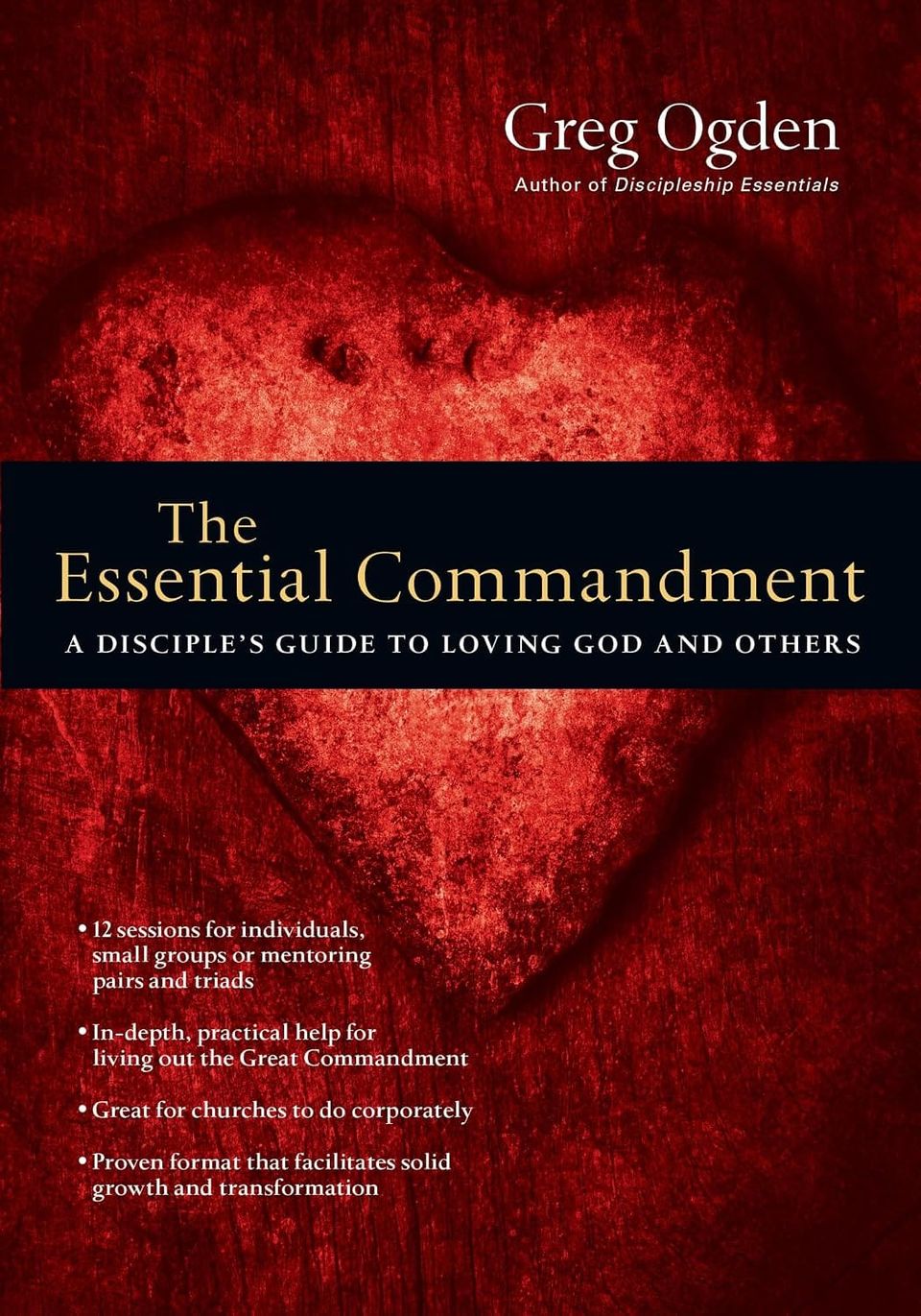
Written in 2011, The Essential Commandment, the parable of the soils is a key to self-reflection. Does my heart have a nurturing soil where the seed dies and Jesus lives? Our love of God is the foundation for all of our work. No methodology, no system, nothing supersedes loving God first.
Love God and all the rest falls into place. That is the core of all the divine good that results. Who do I love the most? This study in 12 lessons is one of the most powerful ways to know yourself. Structured like Discipleship Essentials in MicroGroups, you will receive significant benefit from studying with others.





Member discussion